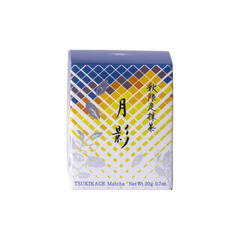
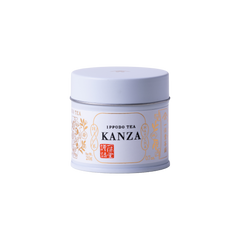
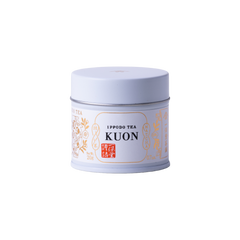
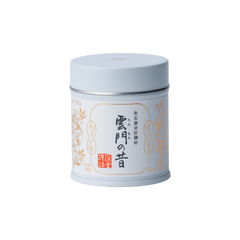
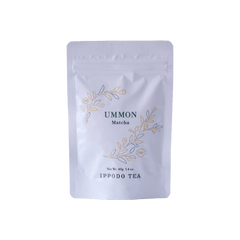
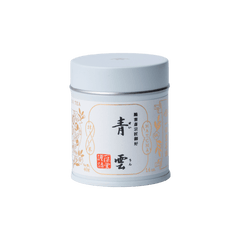
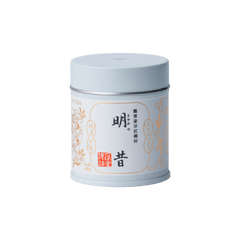
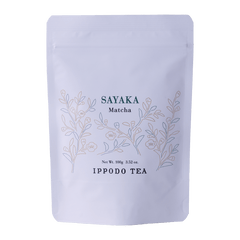
Matcha
Matcha is a green tea that is made by grinding shade-cultivated tea leaves into a fine powder. Characterized by a rich aroma, mellow umami, and a vivid green color, this tea is a favorite in Japan and around the world.
Featured Recipes
Browse all matcha recipes
Frequently Asked Questions
Is Ippodo’s matcha “ceremonial grade”?
All of our matcha varieties are high quality, are great for drinking on their own, and are actually used in the tea ceremony in Japan and around the world.
As a Japanese company, we at Ippodo Tea don’t use the term “ceremonial grade,” since this vague term was invented to market matcha to the West, and it is not used in Japan.
Which matcha should I choose?
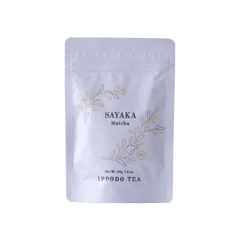
For a first taste of Ippodo matcha, we recommend Sayaka. It has a soft umami, it is mostly sweet, and it has a slight “pinching” astringency.
- Straight matcha: Sayaka.
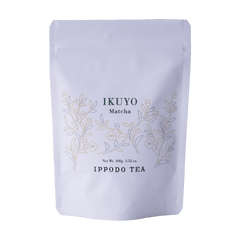
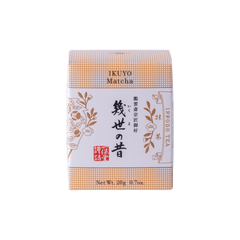
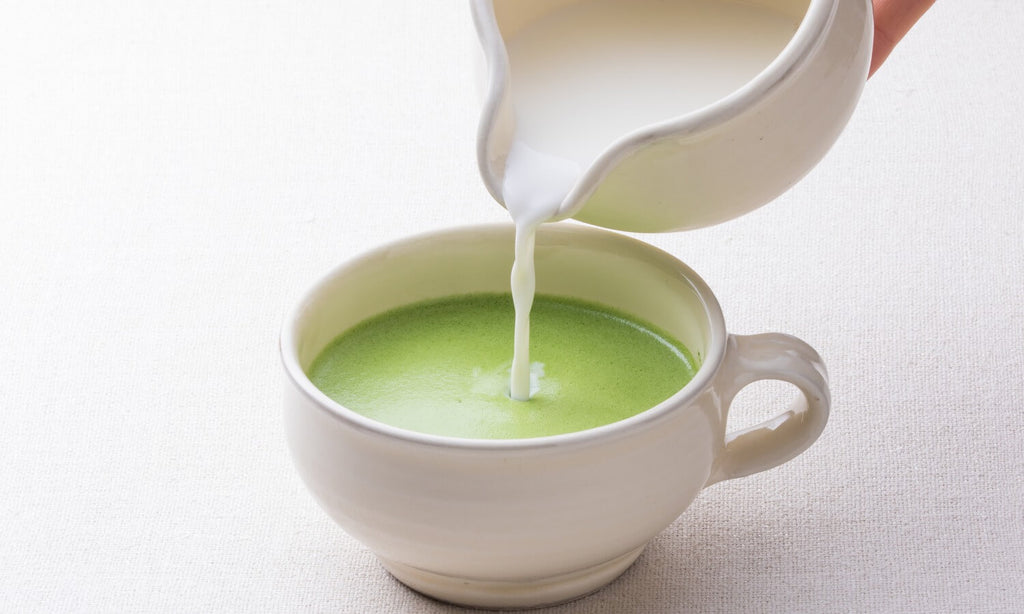
- Matcha lattes: Ikuyo is well balanced and suits lattes. Choose Sayaka for a more vibrant color and richness.
- Both straight matcha and lattes: Sayaka. If you make mostly lattes, choose Ikuyo.
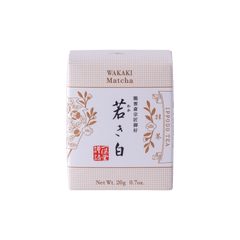
- Baking: Wakaki. It has a beautiful color, and a lower grade is sufficient for baking.
How do the matcha grades differ?
Our matcha go from lower to higher grades. The lower grades have a lighter color, a lighter flavor and aroma, and more astringency.
The higher grades have a darker, brighter green color, more aroma, more umami and more sweetness. They also have more richness, depth and body, and a longer finish.
What are usucha and koicha?
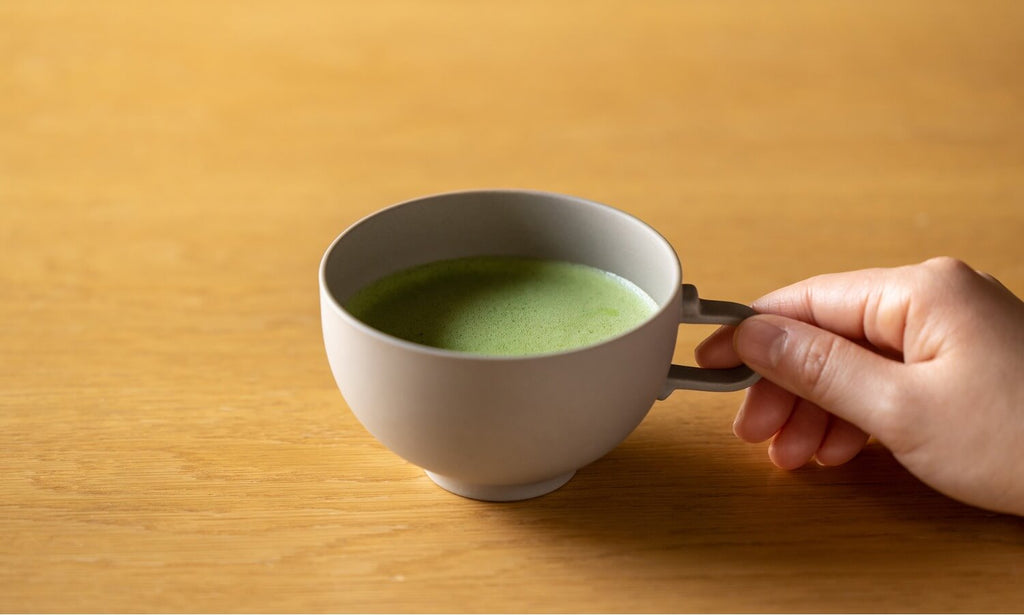
Usucha (thin tea) is the standard way to whisk matcha. It has a normal, liquid consistency.
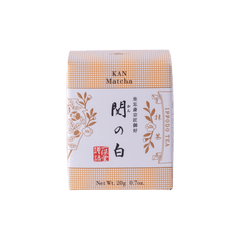
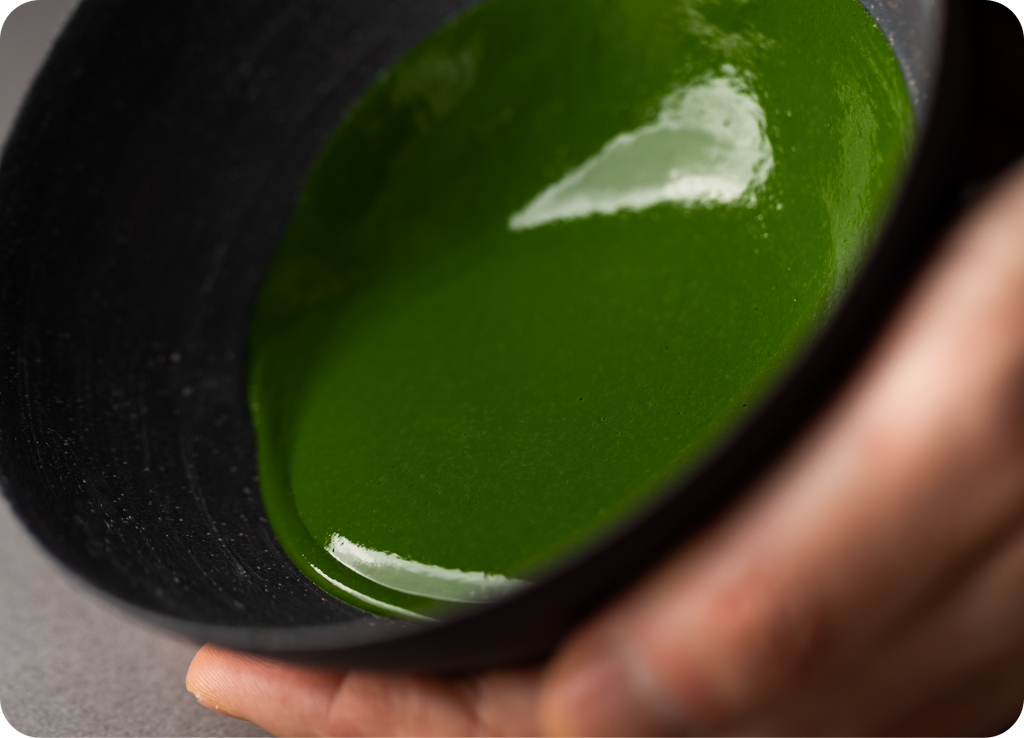
Koicha (thick tea) is a powerfully rich, thick paste. It uses less water and more matcha powder for each serving. Koicha is usually made with the highest grades of matcha, because lower grades give a very bitter flavor. For koicha, try our Kan or a higher grade.
How much caffeine is in matcha?
Of our teas, matcha has the most caffeine for each serving, because you consume the entire leaf. A serving of usucha (2 g of matcha in 60 ml of water) has about 64 mg of caffeine. Higher-grade and shade-grown teas have slightly more caffeine, but the difference is not significant.
For a stronger cup, try koicha (thick tea). It uses 4 g of matcha for each serving, in place of the standard 2 g for usucha. Its caffeine content is in line with a cup of coffee or a double shot of espresso.
How should I store matcha, and how long does it stay fresh?
The best way to store the tea is to place it in a spot avoiding direct contact with the sun, hot temperatures, humidity, and strong smells. Room temperature is fine.
For best results, in between uses roll up the bag holding the tea, clip it closed, and store it on its own or in its can.
For matcha cans, if you are a frequent matcha drinker (around once per day), you can pour the powder from the bag into the can for convenience. Otherwise, we recommend rolling the bag shut and storing it inside the can.
The best-before date for unopened Ippodo tea is written on the QR code sticker on the package in a YYYY.MM.DD format, and is around 6 months from the packaging date. After opening the package, consume the tea soon (within around 1 month) for the freshest flavor and aroma.
There is no hard expiration date for our teas. Keep in mind that even unopened tea will lose its freshness steadily after the 6-month best-before period. For freshness, we often recommend opening and consuming one package at a time.
If you have tea that you would like to use beyond the 6-month best-before date, we suggest putting it in the freezer until later. When you are ready to use it, take it out of the freezer, and let it sit at room temperature until it is adjusted, for around 5 hours. (This way, the condensation has evaporated and the tea has acclimated.) Then, open the package and use the tea normally. After opening, do not return to the freezer; just use normally and store at room temperature.