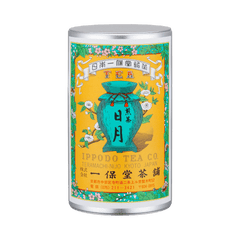
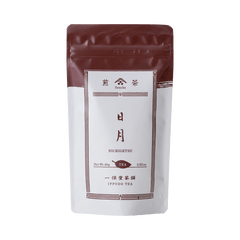
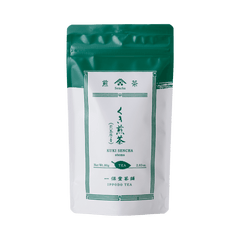
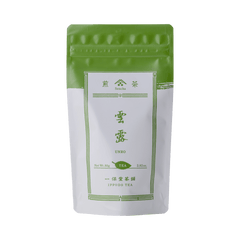

Sencha
Sencha brews a harmonious balance of umami, sweetness, bitterness, and astringency, with a bright fragrance like a sunny field. Enjoy sencha in the morning or afternoon, with a meal or cookie at teatime. This classic green tea fits any occasion.
Featured Recipes
Browse all sencha recipes
Frequently Asked Questions
Which sencha should I try first?
For a first taste of sencha, we recommend Hosen. It has a classic character with a balanced flavor: umami, sweetness, astringency and aroma in harmonious proportion, with more umami and sweetness than astringency.
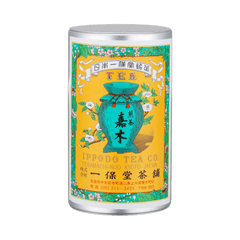
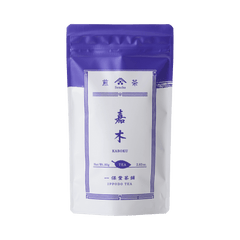
Our sencha go from lighter to richer, with noticeable differences in taste and aroma. A lighter sencha, such as Unro, is more astringent and less sweet, with a short aftertaste. A richer sencha, such as Kaboku, is sweeter and richer in umami, with less astringency and a long aftertaste. Start with Hosen, and then go higher or lower to suit your preference.
What is Shincha, and when is it sold?
Shincha means “new tea” in Japanese. It is freshly harvested sencha.
From around May to July depending on supplies, you can purchase our freshly harvested sencha Shincha and our New Harvest Matcha, which are both produced solely from that year’s harvest. The rest of our regular, year-round selection of teas are blended from different harvests of different farms and different years. Our goal for each of these blends is to produce a consistent character, within a narrow range of variation.
Is it wrong to brew green tea with boiling water?
Our standard recipes for sencha and gyokuro use water below boiling, because lower temperatures bring out sweetness and umami. Boiling water is sometimes used for certain varieties: it brings out an energetic aroma and gives a crisp, light flavor.
There are no set rules for brewing tea. Try different temperatures and conditions, and find the character you like best.
Are your sencha deep-steamed?
No. All of our sencha and gyokuro teas are futsumushi (also called chumushi, or regular/medium steaming). This is in alignment with the Kyoto style of tea production, which favors the futsumushi method. Futsumushi uses a shorter steaming time than fukamushi (deep steaming).
Do you use single cultivars, such as Yabukita?
Rather than featuring single cultivars, our tea masters skillfully blend different cultivars and harvests together to produce a consistently delicious tea throughout the year.
All of our teas are in-house blends. Each year the tea leaves are harvested, they take on a different personality—different aromas, flavors, and characters. Because each year’s harvest is different, and because we value consistency of flavor, we are always blending different harvests together with complicated calculations to achieve this consistency. To ensure consistency and to produce a “relaxed,” or “mature” flavor, the new harvest of tea is actually purposefully not incorporated into the blend right away. Instead, the tea is left to rest in a freshness-ensuring environment for months to “calm” its flavor down. Then, it is slowly added to the respectively named blend of tea.
How much caffeine is in sencha?
Sencha and bancha have about the same amount of caffeine, and less than matcha or gyokuro. A first brew of sencha (100 ml) has about 20 mg of caffeine. In Japan, people often drink sencha and bancha even at night.
The amount in loose-leaf tea changes with the brew: hotter water, a longer brew time and more leaves give more caffeine.


