Top Matcha for Lattes

The best matcha for lattes, iced or hot, is brilliant green and pairs perfectly with creamy milk.

Choose from our top 3 blends below.

13 Servings
Taste
Smooth and full-bodied. Rich umami and little astringency
In a latte
Smooth and velvety.
Color
Forest green.
Recommended for
Fans of creamy, smooth lattes.
Ikuyo (20g Box) Start here
5 Servings
Taste
Balanced and medium-bodied. Pleasant umami and light astringency.
In a latte
Round and well-balanced.
Color
Kelly green.
Recommended for
Everyone! Our first recommendation for a latte.
5 Servings
Taste
Light-bodied. Fresh, eye-opening astringency.
In a latte
Snappy with a short aftertaste.
Color
Light green.
Recommended for
Those who enjoy a tinge of bitterness.
What Is a Matcha Latte?

A matcha latte combines the crisp, green bite of matcha powder with the creaminess of milk.

Whether you are looking to make the switch from coffee, start a new morning ritual, or add enrichment to your yoga or exercise routine, a matcha latte can be a delightful part of your every day.

Preparation Tips

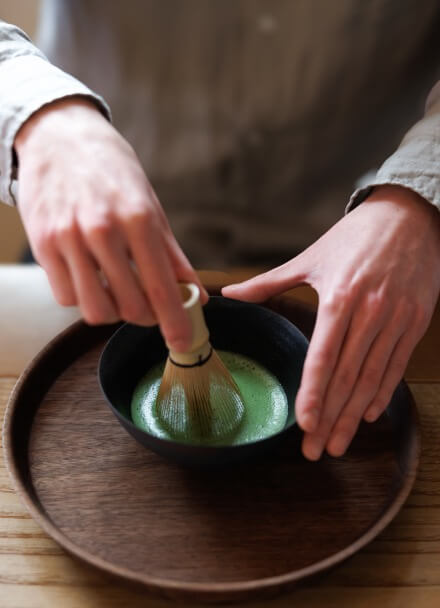
To make one at home, whisk matcha powder with water, and combine with milk. For extra delight, foam your milk, and add sweetener and other add-ins as you like.

Shincha tea field

Learn More About Matcha Lattes

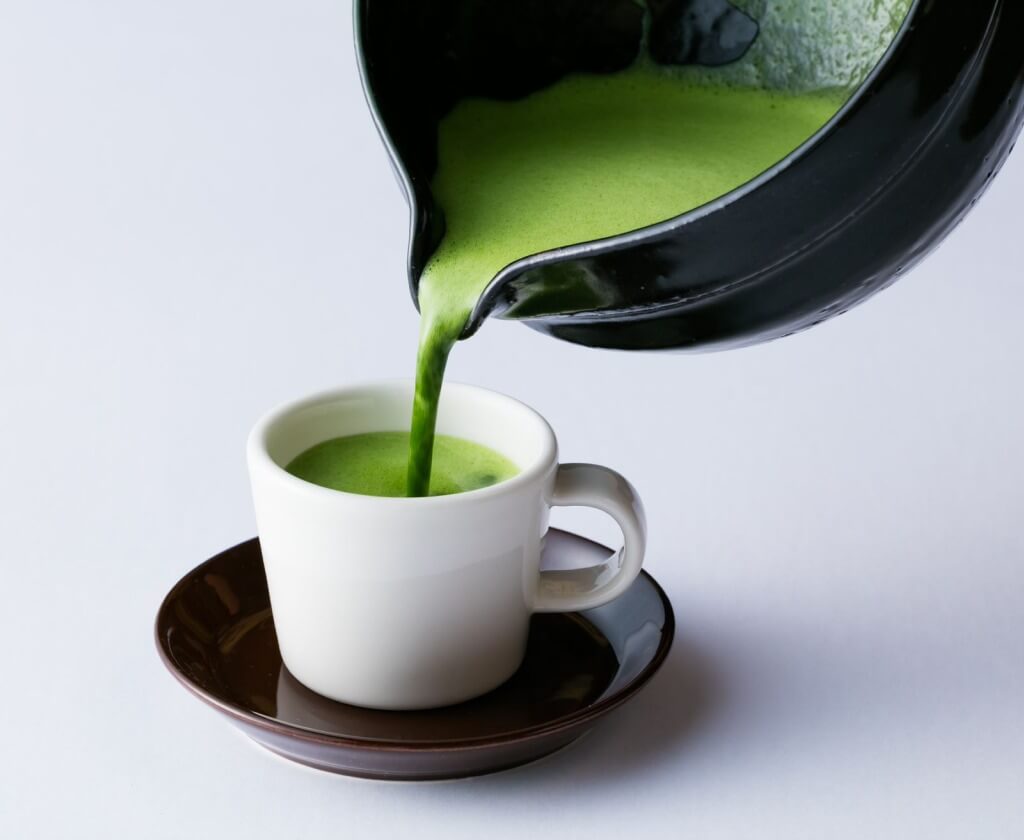
Vivid green matcha latte with dollop of foamed milk on top of pure matcha tea base in white espresso cup with matching saucer

How to Make a Matcha Latte

From the variety of matcha to the type of milk and ratios in your recipe, a few factors determine the character of a matcha latte.
Read article
Matcha & Milk

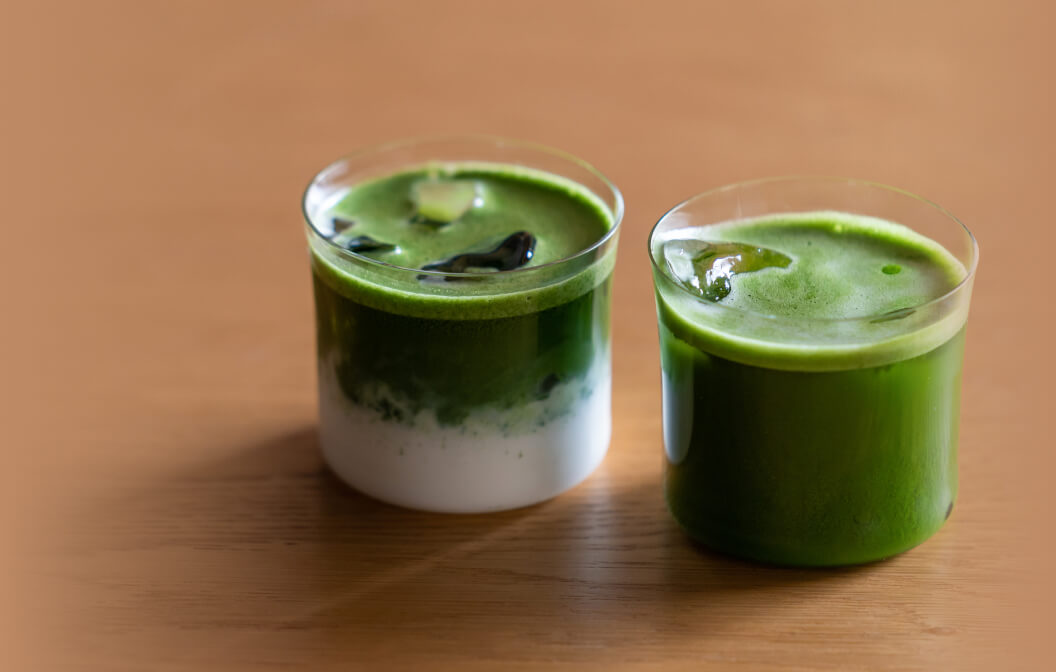
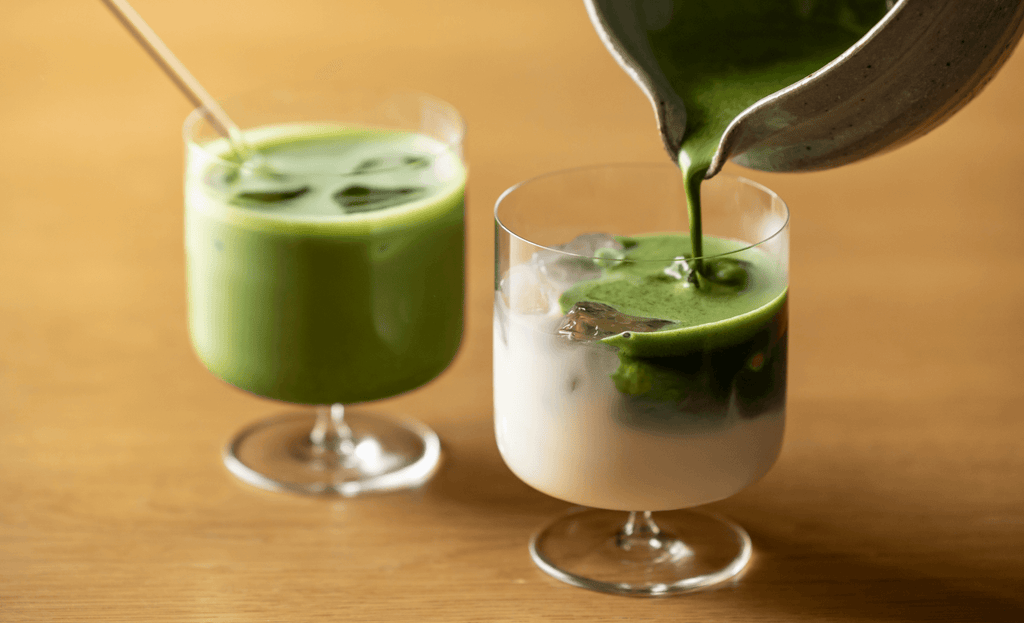
Iced Matcha Latte

An iced latte is smooth, refreshing, and easy-to-drink.
Read recipe
Cold & Refreshing

Iced Matcha

Prepare matcha with hot water and cool it rapidly with plenty of ice.
Read recipe

Frequently Asked Questions

Which matcha is best for a latte?

For most lattes, we recommend Ikuyo. It has a well-balanced flavor, and middle to lower grades are generally better for lattes.

  • For a vibrant color and richness: Sayaka. It has a soft umami, it is mostly sweet, and it has a slight “pinching” astringency.
  • For a lighter, more bitter taste: Ikuyo, or a lower grade such as Wakaki. Its astringency cuts through the sweetness of the milk.
  • For a richer taste: Seiun. This higher grade has less astringency and more sweetness, and it makes an exceptionally creamy, full-bodied latte.

How can I get more matcha flavor in my latte?

Our Matcha Latte recipe uses 1.5 level teaspoons of matcha, 100 mL of water at 80°C/176°F, and 100 mL of milk, whisked about 15 seconds. To bring more matcha flavor through the milk:

  1. Keep a 50:50 water-to-milk ratio, or use more water and less milk.
  2. Raise the water from 80°C/176°F to 88°C/190°F for more bitterness.
  3. Whisk for 20 seconds instead of 15 for a punchier flavor.
  4. If you are not sensitive to caffeine, increase the matcha from 1.5 teaspoons to 2 or 2.5 teaspoons.

Why is my matcha not foamy?

Three things affect the foam on matcha:

  1. The ratio of matcha to water. For straight matcha, use 2 g (1 tsp) of matcha in 60 ml (2 oz) of water. For a matcha latte, use 3 g (0.5 tbsp) of matcha with 100 ml (3.4 oz) each of water and milk.
  2. The water temperature. Hotter water (80°C or higher) helps to make foam.
  3. The whisk speed. Faster whisking makes more foam, but only when the ratio and the temperature are correct.

Read more: How to make foamy, creamy matcha.

Shincha tea field
About Ippodo Tea

Established in 1717 in the heart of Kyoto, Ippodo Tea Co. has been providing the highest quality matcha, sencha, and other Japanese green teas for generations. More than just a retailer, Ippodo carefully selects, blends, and packages its tea. A few years ago, we launched this site to provide a convenient source for customers in the USA and Canada, with all orders shipped directly from our U.S. stock.

For us, tea is both a beverage that comforts and an experience that brings people together. We hope you enjoy exploring the pleasures that each of our teas can provide.