Our standard recipe for brewing loose-leaf hojicha. The light flavors of bancha teas work well for any occasion. Drink with your meals or when you're trying to relax. Use hot water that is boiling vigorously to bring out the full aroma of this tea.
1.
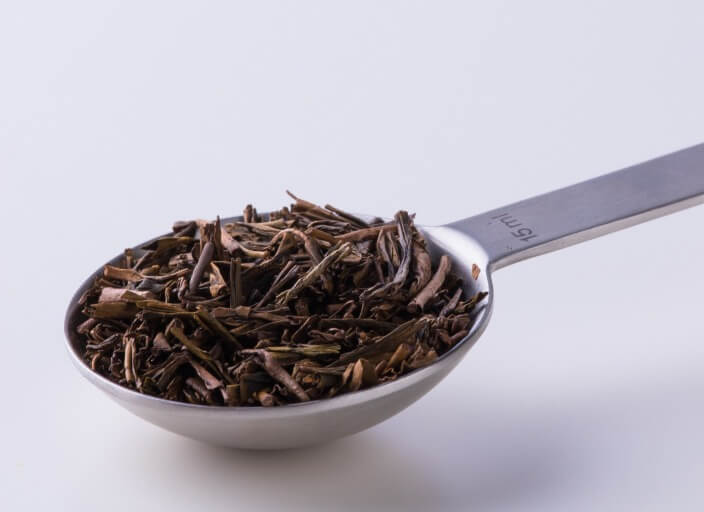
Measure the leaves
4 tbsp. (10g / 0.35 oz)
Add tea leaves to a kyusu or teapot.
2.
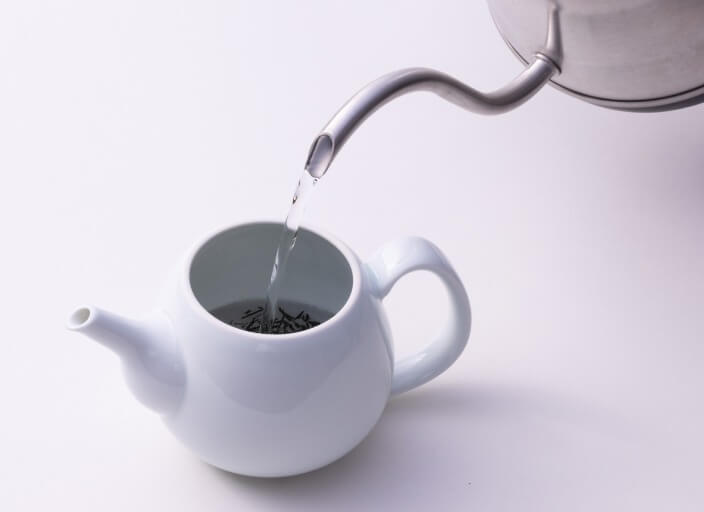
Add hot water
240 mL (8 oz)
100°C (212°F)
Pour boiling water to cover tea leaves.
3.
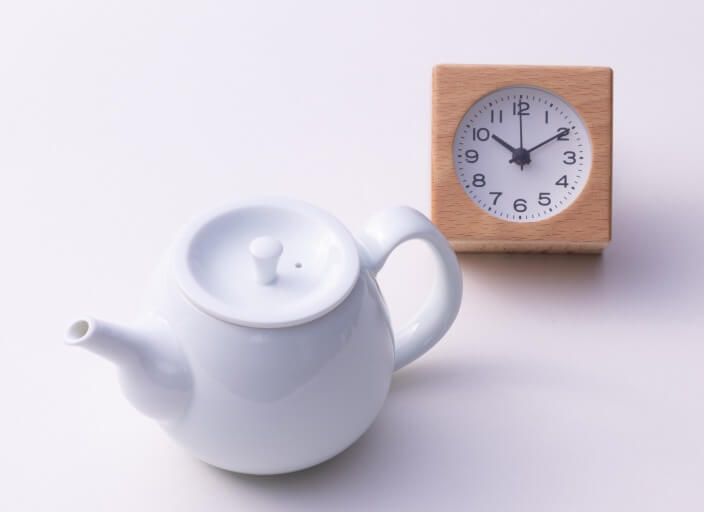
Brew
30 seconds
Brew without stirring or disturbing the tea leaves.
4.
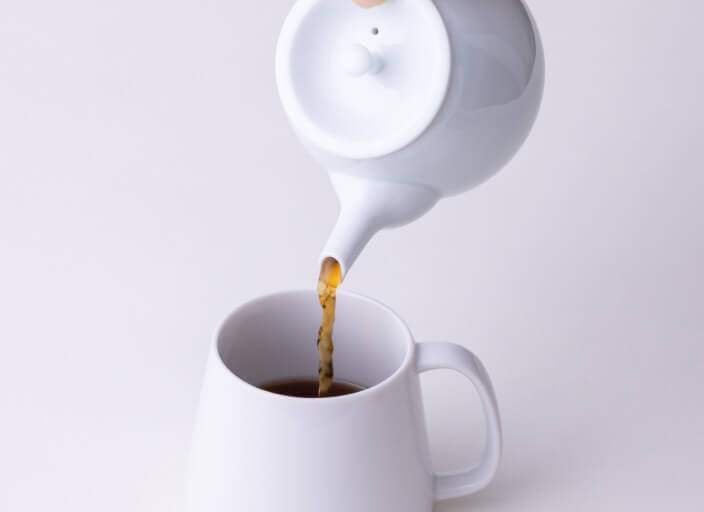
Serve
Pour out every last drop.
Enjoy in your favorite teacup or mug.
What Is Hojicha?
Not all green tea is green. In fact, one of the most popular everyday green teas in Japan brews as
dark and toasty as coffee.
Hojicha is a kind of bancha: tea made from
older, more mature leaves instead of the tender young shoots we use for sencha, gyokuro, and
matcha. Compared to those baby leaves, bancha tends to have a simpler flavor, lighter body, and
more astringency. But it’s also much less expensive to grow and process, and it’s the tea of
choice in Japan for everyday casual drinking. If you’ve been served tea in a casual Japanese
restaurant, there’s a good likelihood it was bancha. It goes great with food, either alongside a
meal as a palate cleanser or afterward, to settle your stomach.
To make our hojicha, we roast dried bancha leaves and stems until they develop flavors of coffee,
caramel, and roasted nuts. We’ve found many coffee drinkers gravitate to this tea for its dark
aromatic elements and smooth, refreshing taste that lingers after you sip. And it’s more or less
foolproof to brew yourself.
Tea Tips and Advice
To get the most of hojicha’s dark, roasty flavor, brew it with full boiling water. Bancha leaves
are fluffier than sencha or gyokuro, so you’ll need 4 tablespoons (about 10 grams) to make an 8
ounce (240ml) pot.
Hojicha (and bancha generally) is more forgiving to brew than other Japanese teas, as it doesn’t
get too bitter or astringent with overbrewing. So feel free to experiment with leaf ratios and
steeping times to find a brew that’s just right for you.
And when it’s hot out, ice it: Hojicha is an amazing alternative to iced black
tea. Steep the tea with the same parameters above, but for 60 seconds instead of 30, then pour
over ice. There’s no tea more crisp and refreshing.
See our iced hojicha recipe.



Tips from recipe visitors