Bancha
Bancha teas are light-bodied, fragrant, and refreshing, with a variety of different aromas to choose from. Teas from this category are a good choice for something to drink throughout the day, every day.
Featured Recipes
Browse all bancha recipes
Frequently Asked Questions
What are the types of bancha?
Bancha is made from larger tea leaves from the same plants as sencha. They are made in different ways for different flavors and aromas:
- Yanagi: larger leaves with no special processing, for a light, bitter green tea.
- Genmaicha: yanagi with roasted rice, for a nice rice aroma.
- Hojicha: roasted yanagi leaves. The roast changes the appearance and the aroma entirely.
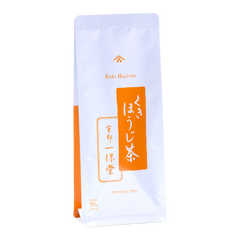
Our Hojicha is a staple in Kyoto, with a sweet, vibrant fragrance. Stems Hojicha contains just the stems, for a heartier and more robust taste. Organic Hojicha has a gentler roasted taste.
Do I use boiling water for bancha?
Yes. Our standard brew for bancha teas always uses boiling water, to bring out the aroma of these light-flavored teas.
Which teas are low in caffeine?
Sencha and bancha, such as hojicha and genmaicha, are lower in caffeine, with about the same amount for each. In Japan, people often drink them even at night.
Mugicha (roasted barley tea) has no caffeine. It contains no tea leaves, so it is technically a tisane, not a tea.
We recommend consulting your healthcare professional to see if it is right for you.
Do you sell genmaicha with matcha?
Genmaicha with matcha is not in our current lineup. To make it at home, buy our Genmaicha and a matcha separately. Sift the matcha powder into the genmaicha, and mix it to the strength that you like.
What is Iribancha?
Iribancha, also known as Kyobancha, is an everyday bancha. It is made from large green tea leaves and stems that are heavily pan-roasted, with no rolling. It has a smoky flavor and a brown tea color. This distinct style often surprises people from outside Kyoto.


