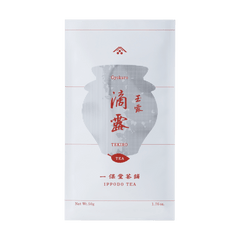
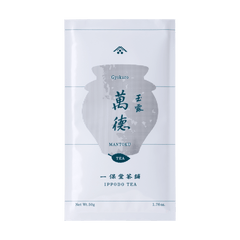
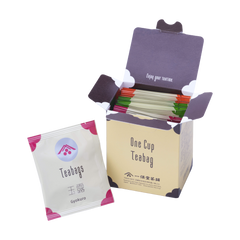
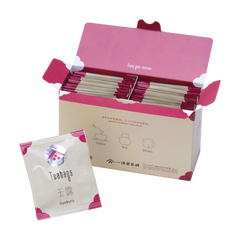
Gyokuro
Gyokuro is a green tea that has an abundance of hearty-sweet umami flavor. With a dew-like aroma, less astringency, and a thick character, this shade-cultivated tea is one for slowly sipping and savoring.
Featured Recipes
Browse all gyokuro recipes
Frequently Asked Questions
What makes gyokuro special?
Gyokuro is grown under shade, which preserves the rich, sweet umami flavor that the leaves produce naturally. It has less astringency than other teas, and a profoundly deep character, richness, aroma and umami (savory sweetness).
Gyokuro is a rare treat: less than 1% of the tea produced in Japan is gyokuro. In Japan, it is reserved for special occasions, such as when you host important guests. We brew it at lower water temperatures and in small servings, to bring out its umami for careful sipping.
Which gyokuro should I try first?
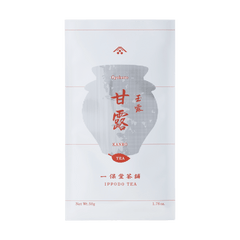
For a first taste of gyokuro, we recommend Kanro. It has plentiful umami, a long finish and a rich character, and it is good for slow sipping in small servings. We also recommend it as a cold brew, to taste its full umami and sweetness.
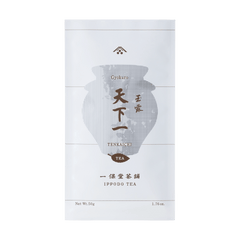
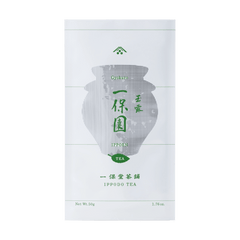
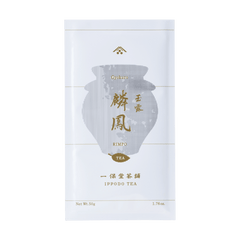
Our gyokuro go from light to rich, with noticeable differences in taste and aroma. A more affordable gyokuro, such as Mantoku, is less sweet and has a short aftertaste. A higher grade, such as Tenka-ichi, is richer, with more sweetness and umami and a long aftertaste. None of our gyokuro has the sharp, pinching astringency of sencha. Start with Kanro, and then adjust to your preference.
How much caffeine is in gyokuro?
Gyokuro has less caffeine than matcha, and more than sencha and bancha. A first brew of gyokuro (about 33 ml) has about 53 mg of caffeine.
The amount in loose-leaf tea changes with the brew: hotter water, a longer brew time and more leaves give more caffeine. Most of the caffeine comes out in the first brew.
Which teapot should I use for gyokuro?
While all Ippodo teapots can be used with all tea varieties, for gyokuro specifically:
- For individual brewing, the Porcelain Kyusu – Small (4 oz) is recommended, as it matches the standard gyokuro recipe volume of 3 oz.
- For serving multiple people or brewing various teas, the Yakishime Kyusu (8 oz) is suggested. This teapot is prized in Japan for its unique “rough” feel that smooths over time with use.
Can I make iced or cold-brew gyokuro?
Yes. There are two ways to make cold tea:
- Hot brew: Brew the tea with hot water, and then cool it quickly over ice cubes.
- Cold brew: Use only ice cubes and cold water. The leaves open slowly and release their sweet flavors.
You can brew cold-brew leaves three times: about 15 minutes for the first brew, 7 minutes for the second, and 3 minutes for the third.
Can I eat the leaves after I brew them?
Specifically for Gyokuro, the leaves are so potent, you can re-steep them three or four times before they lose their sweetness. And once the leaves are spent, give them a common Japanese treatment: Toss with a couple drops of soy sauce, mirin, and sesame oil, then top with toasted sesame seeds. Serve over rice or stirred into eggs for a super-green tea snack.


