

Utensils
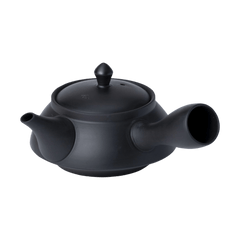
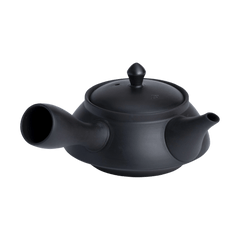
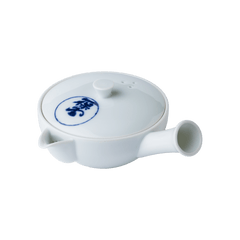
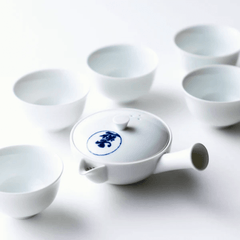
The right utensils can make preparing tea even more delightful. These matcha tools, kyusu teapots, vessels, and more are designed to enhance your green tea experience.
Featured Guides
Frequently Asked Questions
Which tools do I need for matcha?
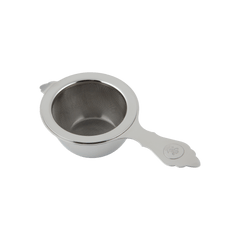
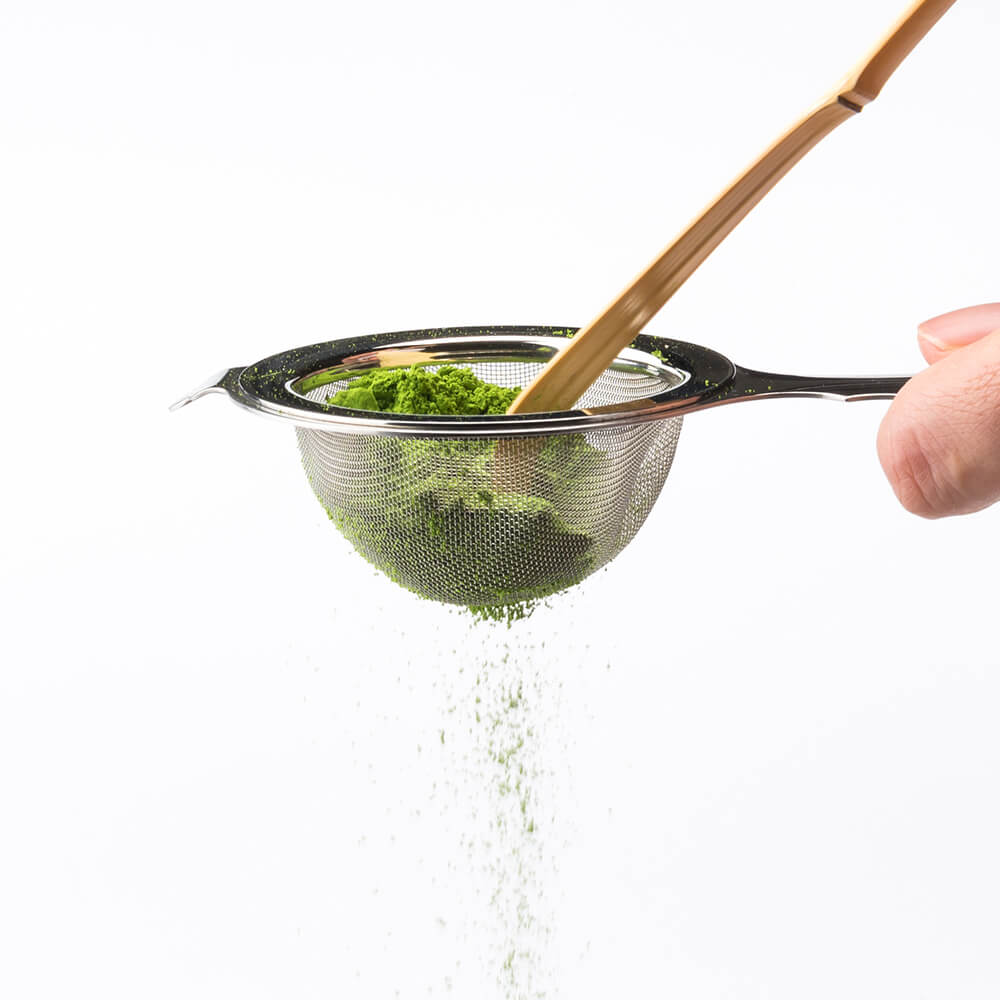
- Tea strainer: the most important tool. Sift the matcha powder through it to remove clumps, for easy mixing.
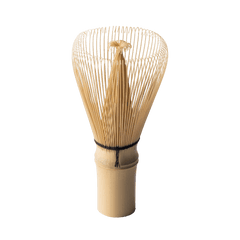
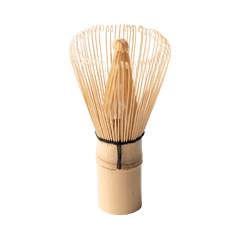
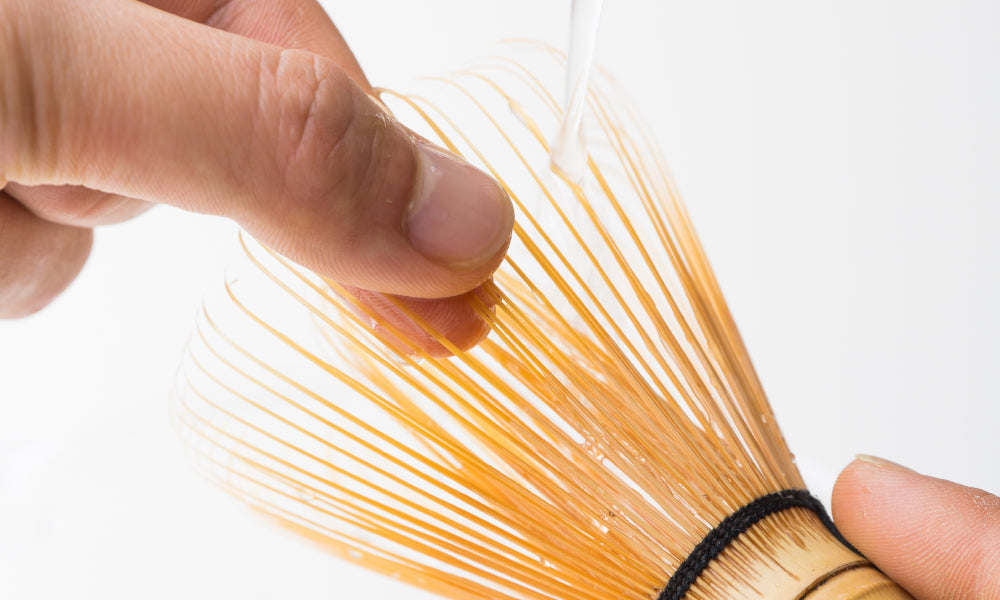
- Chasen (bamboo whisk): the second most important tool, and essential for foamy or creamy matcha. Its fine bamboo tips whisk the tea quickly, add air and bring out the aroma.
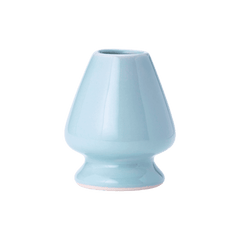
- Whisk stand: holds the bamboo whisk in a rounded shape while it dries.
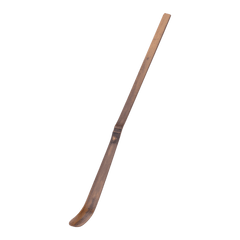
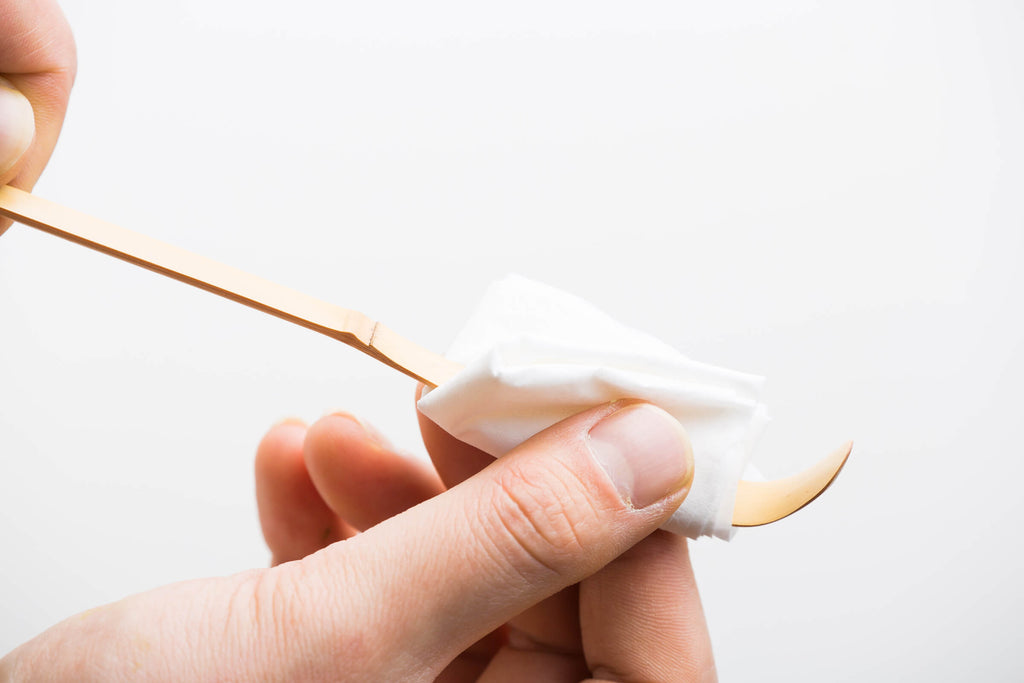
- Chashaku (tea ladle): not completely essential, but many people prefer its feel and scooping angle.
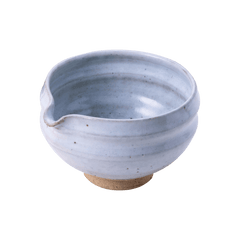
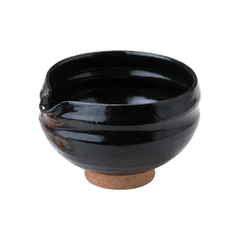
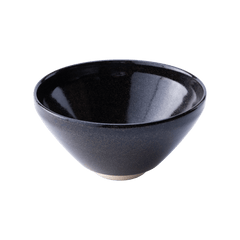
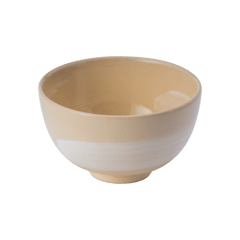
- Matcha bowl: a wide bowl makes whisking easy. Our bowls are designed for easy whisking and drinking.
Chasen #1 or Chasen #2: which should I choose?
Chasen #1 is made in South Korea, and Chasen #2 is made in Hangzhou, China. Chasen #2 has 100 tips and is generally recommended for first-time users; Chasen #1 has 80 tips and is often preferred by experienced matcha makers. Both meet Ippodo’s quality standards.
Both whisks are equally effective for everyday matcha, and we check each one individually before sale.
How long can I use my chasen?
Since each chasen is made by hand from bamboo, it will not last forever.
How do we know when it’s time to replace a chasen? Look at the tips. If you can see a lot of broken tips, and if you can’t whisk matcha with it as easily as you once could, it is probably time to get a new one.
To keep your chasen longer, whisk gently and avoid scraping the bottom of the bowl. It is okay to touch the bottom lightly.
Where are your tea utensils made?
Most of our tea utensils are made in Japan. These are the exceptions:
- Made in South Korea: Chasen #1.
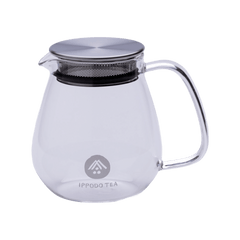
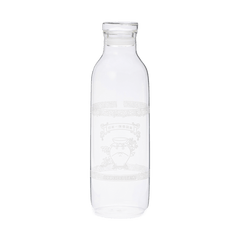
- Made in China: Chasen #2, the Glass Teapot, the Carafe and the plain Matcha Ladle (Chashaku).
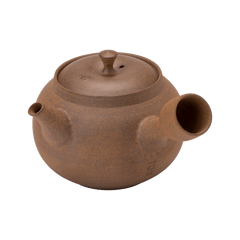
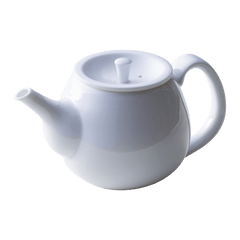
How do I clean my kyusu?
We recommend cleaning your teapot with just water. Discard the tea leaves as soon as you have finished using them. Rinse the pot until all the leaves have been removed. Wipe dry with a clean cloth, and leave to dry until next use.
Over time your kyusu will develop tea stains with regular use. These brown-colored stains are normal and expected, and they will not affect the character of your tea.
Each of our kyusu is meant for use with tea only. If you use your kyusu to brew other teas besides green teas it may eventually develop an aroma of those other teas. This is especially true with teas with added fragrances, and teas (tisanes or herbal teas) that are made not from the tea leaf.
How do I remove leaves stuck in the filter of my kyusu?
You can try these options to dislodge these leaves.
- Pour water in through the spout, close the lid with water inside, and then shake to try to dislodge any leaves from the filter.
- Let the teapot dry completely. Then fill with boiling water, which can flush out any leaves stuck in the filter.
- Gently brush the filter with a toothbrush to remove leaves. Be careful—these handmade filters can break with vigorous scrubbing!


